中北大学国际化高层论坛第12期第19讲
Lecture 19, Session 12 of High-Level Forum on Internationalization
时间:2026年9月22日16:00-17:00
地点:国际教育学院9号楼705室
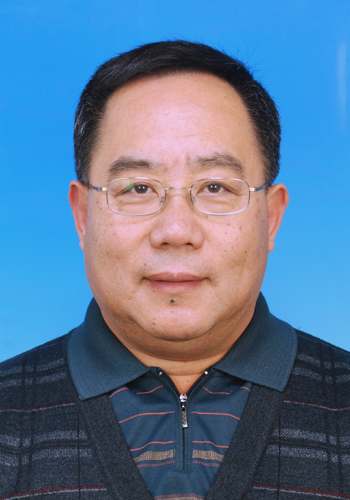
主讲人:李会军教授(澳大利亚伍仑贡大学)
Speaker: Prof. Li Huijun (University of Wollongong, Australia)
主讲人简介:
李会军教授长期从事焊接冶金、先进金属材料、结构完整性及电弧增材制造研究,拥有30余年科研与工程经验,是伍伦贡大学WAAM/DED-Arc研究的重要开拓者之一。
截至目前,李会军教授已发表学术论文700余篇、著作章节9篇,Scopus引用超过2.9万次,H指数83;主持或参与政府及企业科研项目50余项,总经费超过3000万澳元;培养博士生50余名、博士后15名。曾获澳大利亚博物馆Eureka科学奖、伍伦贡大学校长科研合作与影响力奖等重要奖励。2019—2026年连续被评为澳大利亚冶金领域领先研究者,并入选ARC专家委员会及斯坦福大学全球前2%科学家榜单。长期参与澳大利亚及ISO增材制造标准制定,在焊接冶金、先进金属材料、电弧增材制造、高温合金及结构完整性等领域具有广泛国际影响力。
Professor Huijun Li has more than 30 years of research and engineering experience in welding metallurgy, advanced metallic materials, structural integrity, and arc-based additive manufacturing. He is one of the key pioneers of WAAM/DED-Arc research at the University of Wollongong.
To date, Professor Li has published more than 700 scientific papers and nine book chapters, with more than 29,000 Scopus citations and an H-index of 83. He has led or participated in more than 50 government- and industry-funded research projects, with a total research income exceeding AUD 30 million, and has supervised more than 50 PhD students and 15 postdoctoral researchers. His recognitions include the Australian Museum Eureka Prize and the University of Wollongong Vice-Chancellor’s Award for Research Partnership and Impact. From 2019 to 2026, he was continuously recognised as a leading researcher in metallurgy in Australia, and he has served on the Australian Research Council College of Experts and been listed among Stanford University’s World’s Top 2% Scientists. He has also contributed extensively to the development of Australian and ISO standards for additive manufacturing and has broad international influence in welding metallurgy, advanced metallic materials, arc-based additive manufacturing, high-temperature alloys, and structural integrity.
主题:我们未来需要核聚变反应堆吗?
Theme: Do We Need Nuclear Fusion Reactors in the Future?
随着全球工业化、电气化、人工智能、数据中心以及交通和制造业电气化持续发展,世界能源体系正在加速进入“电力时代”。国际能源署预计,2026—2030年全球用电需求将以年均约3.6%的速度增长,2030年全球用电量将达到约33,600 TWh,新增需求主要来自工业、电动交通、制冷及数据中心等领域。 在满足快速增长能源需求的同时,未来能源系统还必须兼顾低碳、安全、稳定和资源可持续性。核聚变以氢同位素为燃料,具有高能量密度、运行过程低碳以及适合作为大规模稳定能源的潜力,是面向长期能源安全的重要前沿技术。然而,聚变能能否真正实现工程化,材料是最关键的瓶颈之一,其中第一壁材料直接面对高温等离子体,是聚变堆中服役环境最复杂、失效风险最高的关键部件之一。第一壁及等离子体侧材料需要同时承受高热流、强热循环、高能中子辐照、氢/氦嬗变与滞留、等离子体溅射以及复杂热—力耦合作用,容易产生辐照硬化与脆化、肿胀、热疲劳、表面侵蚀、裂纹及界面失效。ITER最新技术路线也进一步强化了钨作为等离子体面对材料的重要性。 因此,发展高热导、耐高温、抗辐照、低氚滞留且具有良好结构完整性的第一壁材料及其连接技术,揭示“材料成分—微观组织—界面—辐照缺陷—服役性能”之间的内在关系,并发展钨基材料、低活化结构材料及其异种连接和先进制造技术,是突破聚变堆高热流部件寿命瓶颈、推动聚变能源从实验装置走向工程示范和商业应用的基础科学与关键工程问题。
As global electricity demand continues to grow, driven by industrialisation, electrification, artificial intelligence, data centres, and electric transport, future energy systems must provide not only more power, but also low-carbon, secure, reliable, and sustainable energy. Nuclear fusion, using hydrogen isotopes as fuel, offers exceptionally high energy density and the potential for large-scale stable power generation, but materials remain one of the major barriers to commercial deployment. In particular, first-wall and plasma-facing materials must withstand extreme heat fluxes, thermal cycling, high-energy neutron irradiation, hydrogen/helium transmutation and retention, plasma erosion, and complex thermo-mechanical loading. Developing materials and joining technologies with high thermal conductivity, high-temperature strength, irradiation resistance, low tritium retention, and excellent structural integrity—including tungsten-based and reduced-activation structural materials—is therefore essential to overcoming component lifetime limitations and enabling fusion energy to progress from experimental systems toward engineering demonstration and commercial application.